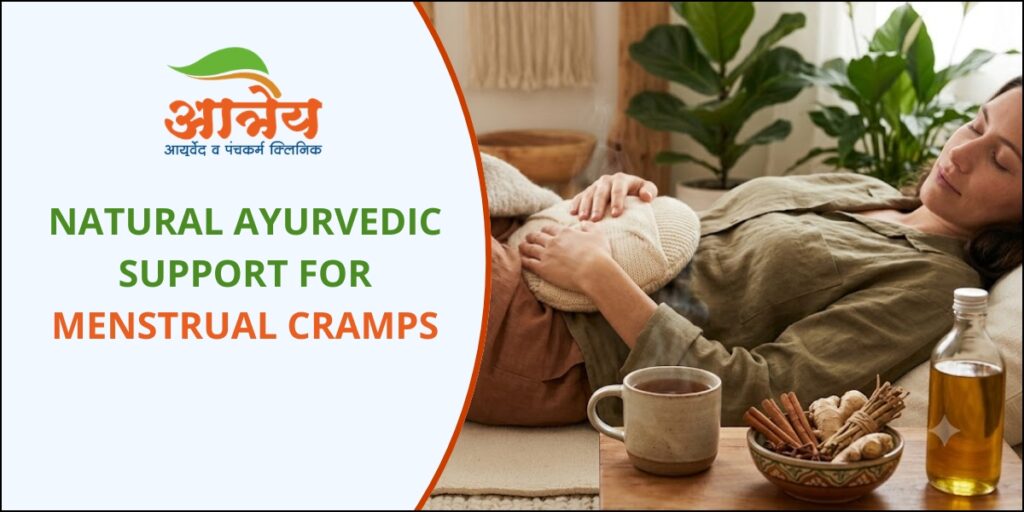
For many women, periods arrive with more than just bleeding. They bring lower abdominal pain, backache, bloating, fatigue, irritability, and sometimes discomfort severe enough to disrupt work, studies, social activities, or sleep. While menstrual cramps are common, many women quietly wonder:
“Are periods supposed to hurt this much?” The answer is not always straightforward.
Mild cramping during menstruation can be a normal part of the menstrual cycle. However, intense pain that regularly interferes with daily life deserves attention. Ayurveda views menstrual pain as more than a temporary inconvenience. Instead, it is often considered a sign that the body’s natural balance has been disturbed. Rather than simply masking pain, Ayurveda aims to understand why the discomfort is occurring and support long-term menstrual wellness.
What Causes Menstrual Cramps?
Menstrual cramps, medically known as dysmenorrhea, occur when the uterus contracts to shed its lining during menstruation. These contractions are influenced by naturally occurring substances called prostaglandins.
Higher prostaglandin levels are often associated with:
- Stronger uterine contractions
- Increased menstrual pain
- Nausea
- Digestive discomfort
- Fatigue
For some women, cramps are mild and manageable. For others, they can become severe enough to affect quality of life.
The Ayurvedic Understanding of Painful Periods
According to Ayurveda, healthy menstruation should occur regularly and with minimal discomfort. Painful periods are frequently associated with an imbalance of Apana Vata, the subtype of Vata Dosha responsible for reproductive and eliminatory functions.
Apana Vata governs:
- Menstrual flow
- Ovulation
- Reproductive health
- Childbirth
- Natural elimination processes
When Apana Vata becomes aggravated, the normal downward flow of energy may become disturbed, leading to symptoms such as:
- Menstrual cramps
- Lower back pain
- Bloating
- Irregular periods
- Mood fluctuations
- Pelvic discomfort
Common factors that may aggravate Vata include:
- Excessive stress
- Irregular meal timings
- Poor sleep habits
- Overexertion
- Excessive fasting
- Consumption of cold and processed foods
Why Some Women Experience More Pain Than Others
One of the questions women often ask during consultation is: “My friends have periods too. Why do mine hurt so much?” The answer lies in the fact that menstrual pain is influenced by multiple factors. Some women may have underlying conditions such as:
- Polycystic Ovary Syndrome (PCOS)
- Endometriosis
- Uterine fibroids
- Adenomyosis
- Hormonal imbalances
Others may experience increased pain due to stress, poor digestion, lifestyle factors, or aggravated Vata. This is why personalized assessment is important rather than relying solely on temporary pain relief measures.
Natural Ayurvedic Approaches to Menstrual Comfort
Supporting Apana Vata Through Diet
Food plays a significant role in Ayurvedic menstrual care. During menstruation, warm and easily digestible foods are generally preferred. Helpful dietary choices may include:
- Warm cooked meals
- Soups and stews
- Ghee in moderation
- Seasonal vegetables
- Warm herbal beverages
- Adequate hydration
Many women notice that excessive cold drinks, processed foods, and irregular eating patterns worsen bloating and menstrual discomfort.
The Importance of Rest
Modern life often encourages women to push through pain and maintain the same pace of activity throughout the menstrual cycle. Ayurveda recommends the opposite. Menstruation is viewed as a time when the body benefits from:
- Adequate sleep
- Reduced physical strain
- Mental relaxation
- Gentle self-care
Rest supports the natural functioning of Apana Vata and may help reduce discomfort.
Ayurvedic Herbs Traditionally Used for Menstrual Wellness
1. Ashoka
Often considered one of Ayurveda’s most important herbs for women’s reproductive health, Ashoka has been traditionally used to support healthy menstrual function.
2. Shatavari
Shatavari is widely valued for its nourishing and rejuvenating effects on the female reproductive system.
3. Ginger
Ginger has been extensively studied for menstrual discomfort and is commonly used to support circulation and reduce pain intensity.
4. Turmeric
Known for its antioxidant and anti-inflammatory properties, turmeric is frequently incorporated into Ayurvedic dietary practices.
5. Cinnamon and Fennel
These kitchen spices have traditionally been used to support digestive comfort and menstrual wellness. Herbal recommendations should always be individualized and prescribed by a qualified Ayurvedic practitioner.
Simple Ayurvedic Home Remedies for Period Pain
1. Ginger-Cinnamon Herbal Tea
A warm tea prepared using ginger, cinnamon, and a pinch of turmeric may help provide comfort during menstruation.
2. Warm Cumin Water
Traditionally used to support digestion and reduce bloating.
3. Sesame Seeds
Sesame seeds are considered Vata-pacifying and naturally rich in important minerals.
4. Warm Turmeric Milk
A comforting bedtime beverage commonly used during menstruation to promote relaxation and well-being.
Lifestyle Practices That May Help Reduce Menstrual Pain
1. Abhyanga (Oil Massage)
Gentle massage with warm sesame oil may help relax muscles and support nervous system balance.
2. Heat Therapy-(Tap Swedana)
Applying a hot water bag or warm compress over the lower abdomen often provides significant relief from cramping.
3. Gentle Yoga
Helpful poses may include:
- Child’s Pose
- Reclined Butterfly Pose
- Cat-Cow Stretch
- Gentle pelvic stretches
The goal is relaxation rather than intense exercise.
4. Stress Management
Stress can significantly influence menstrual symptoms. Practices such as meditation, deep breathing, Yoga Nidra, and mindfulness can support both emotional and hormonal well-being.
When Menstrual Pain Should Not Be Ignored
Many women normalize severe pain for years. However, professional evaluation is recommended if you experience:
- Severe pain every month
- Heavy menstrual bleeding
- Pain worsening over time
- Painful intercourse
- Irregular menstrual cycles
- Difficulty conceiving
- Symptoms affecting work or daily life
These symptoms may indicate an underlying condition that requires proper assessment.
Panchakarma and Women’s Reproductive Health
In selected cases, Ayurvedic physicians may recommend Panchakarma therapies to help restore doshic balance and support reproductive wellness. Depending on the individual’s condition, treatment may include:
- Virechana
- Basti therapies
- Specialized women’s health protocols
These therapies are always personalized and should be performed under qualified supervision.
A Holistic Approach to Menstrual Wellness
Ayurveda views menstruation as an important indicator of overall health. Instead of focusing only on pain relief, it seeks to improve:
- Hormonal balance
- Digestion
- Sleep quality
- Emotional well-being
- Reproductive health
- Lifestyle habits
The goal is not merely to make periods more tolerable, but to help women experience healthier and more comfortable menstrual cycles over time.
Personalized Ayurvedic Care at Aatreya Ayurved and Panchakarma Clinic, Hadapsar, Pune
At Aatreya Ayurved and Panchakarma Clinic, Hadapsar, Pune, we believe menstrual health deserves individualized attention. Women experiencing painful periods, irregular cycles, PCOS, hormonal imbalances, excessive bleeding, or other menstrual concerns receive personalized Ayurvedic assessment and treatment recommendations based on their unique health profile.
Our approach may include:
- Ayurvedic consultation
- Customized Ayurvedic Medicines
- Dietary guidance
- Lifestyle recommendations
- Stress-management support
- Panchakarma therapies when appropriate
By addressing the underlying causes of menstrual discomfort, Ayurveda aims to support long-term reproductive wellness and improved quality of life.
Frequently Asked Questions
Can Ayurveda help reduce menstrual cramps naturally?
Ayurveda may help support menstrual comfort through personalized dietary recommendations, lifestyle changes, herbal support, and therapies aimed at balancing underlying imbalances.
Which Ayurvedic herbs are commonly used for period pain?
Ashoka, Shatavari, Ginger, Turmeric, Cinnamon, and Fennel are traditionally used in Ayurvedic women’s health care.
Is ginger tea beneficial during periods?
Research suggests ginger may help reduce menstrual pain intensity, and it is commonly used as a natural home remedy.
Can stress worsen menstrual cramps?
Yes. Chronic stress may affect hormonal balance and aggravate Vata Dosha, potentially contributing to increased menstrual discomfort.
When should I consult a doctor for menstrual pain?
If pain is severe, worsening, associated with heavy bleeding, irregular cycles, infertility, or significantly affects daily life, professional evaluation is recommended.