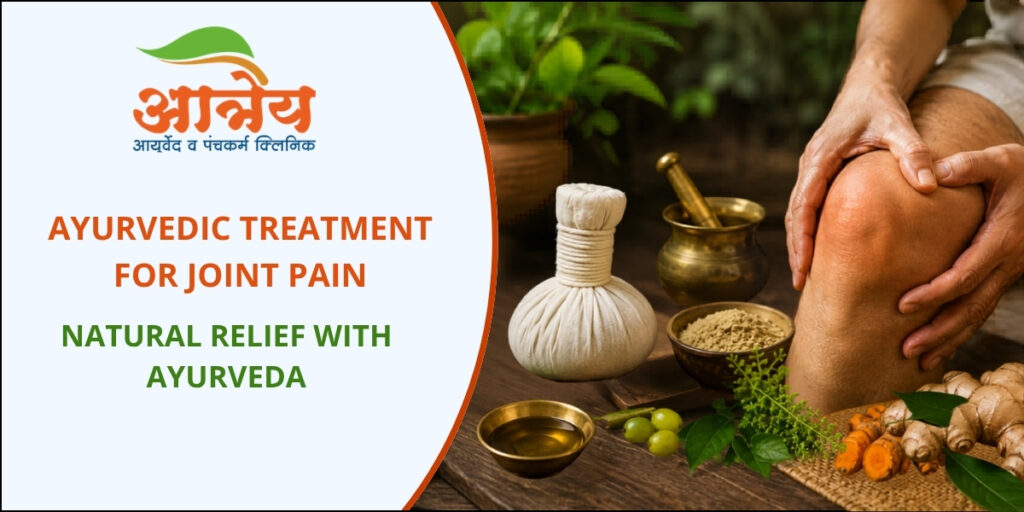
Joint pain is one of the most common health concerns affecting people of all ages. Whether caused by aging, arthritis, injury, obesity, or a sedentary lifestyle, joint pain can significantly impact daily activities and quality of life. While modern medicine often focuses on symptom management, Ayurveda aims to identify and treat the root cause of the problem.
In Ayurveda, joint pain is commonly associated with an imbalance of Vata Dosha, which governs movement in the body. When Vata becomes aggravated, it can lead to dryness, stiffness, inflammation, and pain in the joints. Ayurvedic treatment focuses on restoring balance, reducing inflammation, improving circulation, and strengthening the joints naturally.
Common Symptoms of Joint Pain
- Pain in the knees, hips, shoulders, or other joints
- Joint stiffness, especially in the morning
- Swelling and inflammation
- Reduced flexibility and mobility
- Difficulty walking, climbing stairs, or performing daily activities
- Cracking or popping sounds in the joints
Causes of Joint Pain According to Ayurveda
Several factors can contribute to joint pain, including:
- Imbalance of Vata Dosha
- Poor digestion and accumulation of toxins (Ama)
- Aging-related degeneration
- Excessive physical strain
- Obesity
- Poor dietary habits
- Chronic inflammatory conditions such as arthritis
Ayurveda believes that toxins accumulated in the body due to improper digestion can settle in the joints and trigger inflammation and pain.
Ayurvedic Treatments for Joint Pain
1. Panchakarma Therapy
Panchakarma is a detoxification process that helps eliminate toxins from the body. Depending on the individual’s condition, therapies such as Basti (medicated enema), Virechana (therapeutic purgation), and Abhyanga (oil massage) may be recommended.
2. Abhyanga (Therapeutic Oil Massage)
Warm medicated oils are gently massaged into the affected joints to improve blood circulation, reduce stiffness, and nourish the tissues. Regular Abhyanga can help improve flexibility and reduce pain.
3. Kati Basti and Janu Basti
These specialized Ayurvedic therapies involve retaining warm medicated oil over specific body areas, such as the lower back or knees. They are particularly effective for chronic pain and degenerative joint conditions.
4. Herbal Medicines
Ayurvedic practitioners may prescribe herbs known for their anti-inflammatory and joint-supporting properties, such as:
- Ashwagandha
- Shallaki (Boswellia)
- Guggulu
- Rasna
- Nirgundi
- Turmeric (Haridra)
These herbs help reduce inflammation, strengthen joints, and support overall musculoskeletal health.
5. Dietary Modifications
Diet plays a crucial role in managing joint pain. Ayurveda recommends:
- Warm, freshly cooked meals
- Anti-inflammatory spices like turmeric and ginger
- Adequate hydration
- Avoiding processed and junk foods
- Limiting excessive cold foods and beverages
Lifestyle Tips for Healthy Joints
- Practice yoga regularly
- Maintain a healthy weight
- Avoid prolonged sitting
- Stay physically active
- Get adequate sleep
- Manage stress through meditation and breathing exercises
Benefits of Ayurvedic Treatment for Joint Pain
- Addresses the root cause of pain
- Reduces inflammation naturally
- Improves joint mobility and flexibility
- Enhances overall well-being
- Minimizes dependence on long-term pain medications
- Supports long-term joint health
When Should You Consult an Ayurvedic Doctor?
If your joint pain persists for several weeks, affects daily activities, or is accompanied by swelling and stiffness, it is advisable to seek professional guidance. Early intervention can help prevent further joint damage and improve treatment outcomes.
About Aatreya Ayurved and Panchakarma Clinic, Pune
At Aatreya Ayurved and Panchakarma Clinic, Pune, patients receive authentic Ayurvedic care focused on treating the root cause of health concerns rather than just managing symptoms. The clinic offers personalized Ayurvedic consultations, Panchakarma therapies, herbal treatments, and lifestyle guidance for conditions such as joint pain, digestive disorders, stress-related issues, skin problems, and chronic health concerns. Aatreya Ayurved and Panchakarma Clinic is committed to helping individuals achieve long-term health and wellness naturally.
Contact us to Book an Appointment : +91 9860007992
FAQs
1. Can Ayurveda completely cure joint pain?
Ayurveda aims to manage the root cause of joint pain and provide long-term relief. Results vary depending on the severity and underlying condition.
2. Is Panchakarma effective for arthritis?
Yes, Panchakarma therapies can help reduce inflammation, detoxify the body, and improve joint mobility in many arthritis patients.
3. Are Ayurvedic treatments safe for long-term use?
When prescribed by a qualified Ayurvedic doctor, most treatments are considered safe and suitable for long-term management.
4. How long does it take to see results from Ayurvedic treatment?
Some patients experience improvement within a few weeks, while chronic conditions may require several months of consistent treatment.
5. Can I take Ayurvedic treatment along with modern medicine?
In many cases, Ayurvedic treatment can be integrated with modern medical care, but it should always be done under the guidance of qualified healthcare professionals.
Recent Posts
-
 Ritucharya in Ayurveda: Why Should Diet and Lifestyle Change With the Seasons?
 -
 केस गळणे वाढले आहे? Hair Fall कमी करण्यासाठी Ayurveda मध्ये काय Approach आहे?
 -
 पंचकर्म के बाद शरीर में क्या बदलाव महसूस हो सकते हैं
 -
 Basti Therapy in Ayurveda: What is it Used For?
 -
 चुकीच्या आहारामुळे शरीरातील दोषांचे संतुलन कसे बिघडते?